Experience the Coziest Season in Wine Country
Oregon winters are spectacular. Seekers of foggy mornings will find a haven in the Dundee Hills as cloud cover hangs low over the rolling vineyards. The temperate climate that yields our renowned Pinot Noir also keeps our region (mostly) free of snowfall and sub-freezing temperatures, making it easily traversable even in the dead of winter.
What Is Cellar Season?
Cellar season marks the span of time between the harvest’s conclusion and the next budbreak, from late fall into early spring. Winemakers transition from the fast pace of harvest to the methodical, scientific processes of barrel work, tasting trials, and careful monitoring as the grapes ferment and young wines begin to age.
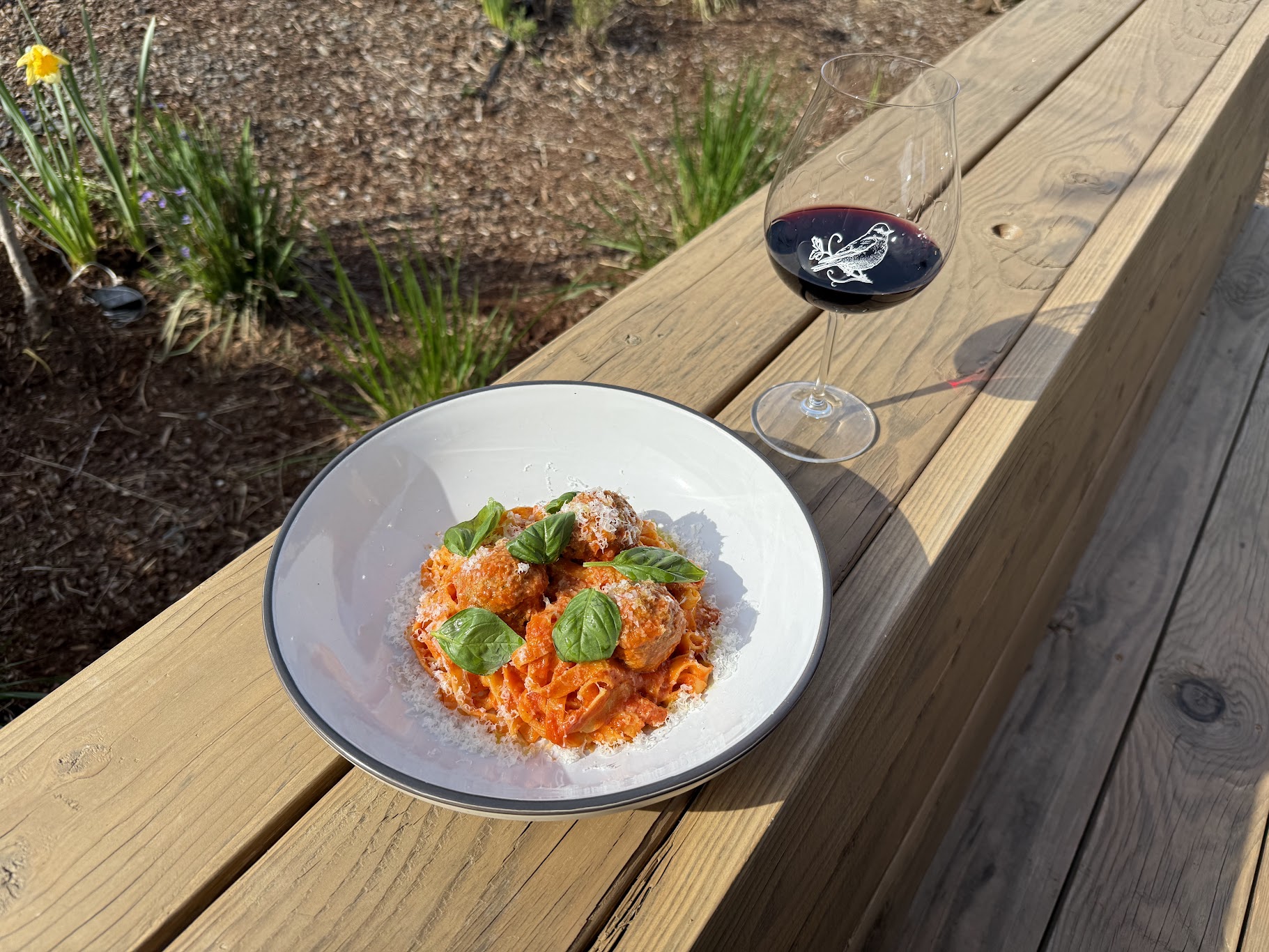
The vineyards also shift as leaves drop and rain returns, creating the winter landscape Oregon is known for. Winters here are best served with a glass of wine, a fireplace, and a blanket.
Tom Fitzpatrick, the proprietor and winegrower at Élevée, agrees it’s the perfect season to plan a visit. “It’s the time of year that wineries are pulling out all the stops, making it the best time of year to experience special programs, special wines, and more intimate experiences with wineries.”
Experience Winemaking Activities Firsthand
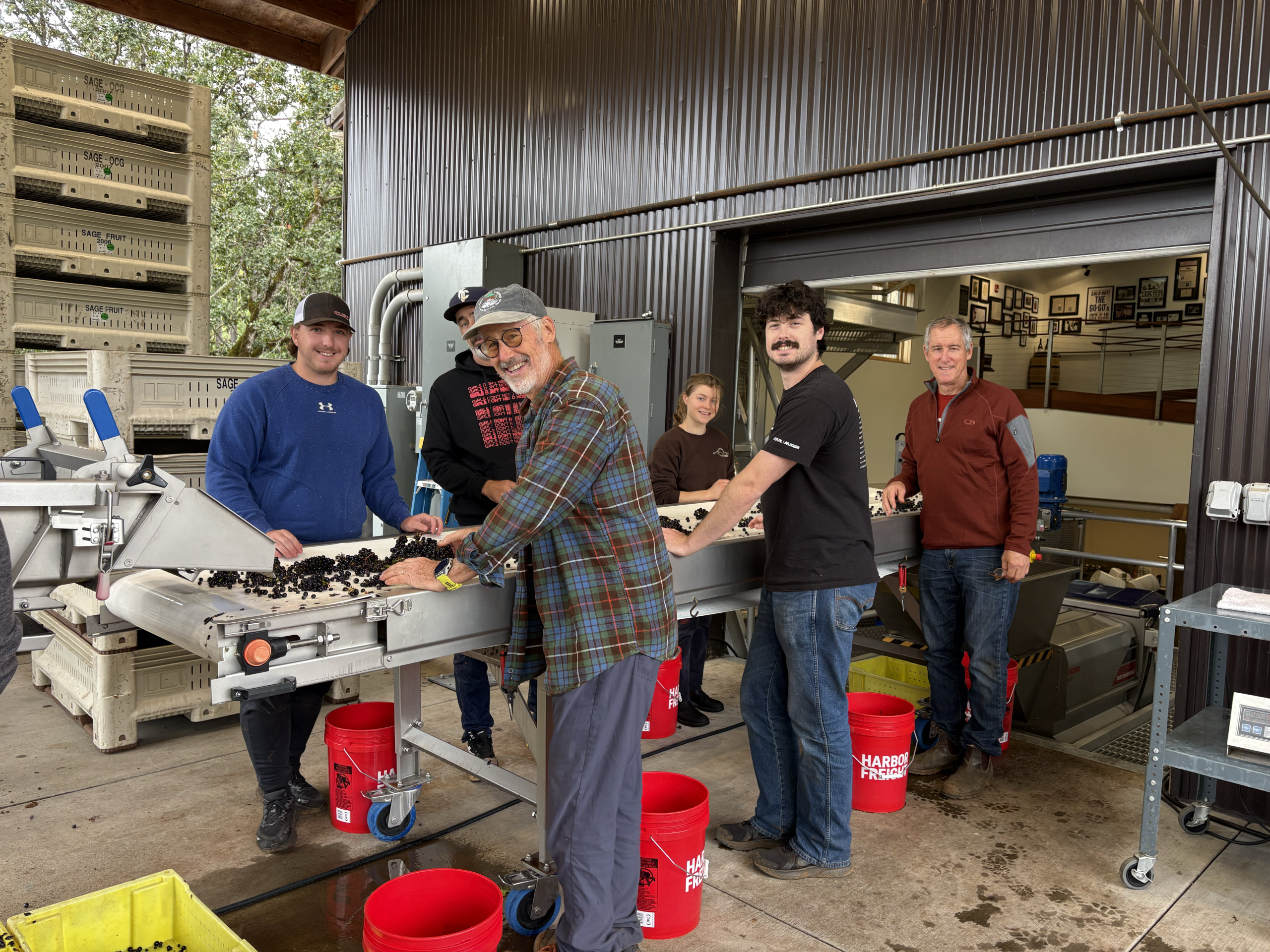
While the fall harvest season holds the excitement of fruit coming in from the vineyards to be processed by winemaking teams, it’s actually cellar season that offers visitors the opportunity to see winemaking in motion.
“Cellar Season is less physically active, but more proactive as you judge the results of harvest, make comparisons, and try to predict how the wines will progress,” notes David Fish, founder of Fox Farm Vineyards. “There’s no more panic, no more rushing, just smart, introspective pride in your work. It’s the best time to ask questions and likely get one-on-one attention from Winemakers, grape growers, and winery owners.”
Some wineries offer cellar access and barrel tastings during cellar season, and guests may glimpse teams:
- Racking: Winemaking teams pour or siphon wine from one vessel to another, separating it from spent yeast, grape skins and seeds. Racking wine prevents off-flavors from developing and stabilizes it for longer aging.
- Blending: Winemakers often ferment grapes separately by vineyard block or clone to evaluate the unique character of each lot. Clones are variations of the same grape variety. Pinot Noir, for example, has many clones that differ in flavor expression and ripening behavior, yet all are Pinot Noir. Later, during blending, the winemaking team combines select lots to build a cuvée, a blend that is often more balanced and complex than any single lot on its own.
A Relaxed Wine Country Winter
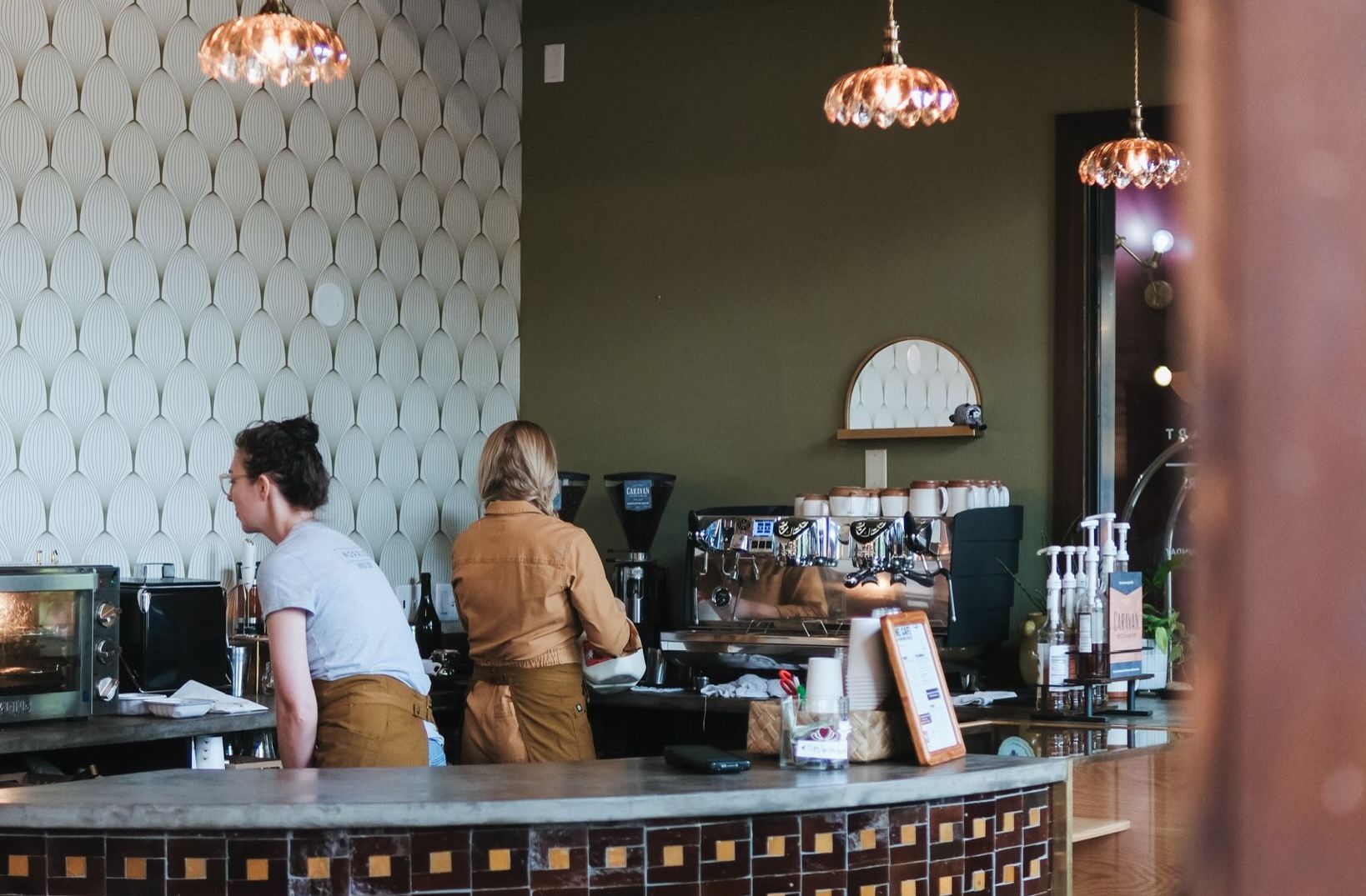
Winter in the Dundee Hills brings a calmer pace that feels completely necessary after the holiday hubbub. Here you’ll find fewer crowds, quieter tasting rooms, and the respite you’ve been craving. Take each unplanned day at your own pace: Reservations at tasting rooms and restaurants are easy to secure or skip entirely. Visits feel unhurried with extra time to savor each tasting.
Juli Eagle from Dobbes Family Estate anticipates the arrival of cellar season every year. It’s an anchor point in the winemaking journey and a welcome respite from the bustle of peak travel season. “We slow everything down on purpose,” she says. “There are fewer must-dos, more permission to just be. We meet guests where they are; sometimes that’s conversation, sometimes it’s simply enjoying a good pour at their own pace. Our goal is to make the tasting room feel like a deep exhale, not another stop on a checklist.”
How to Plan Your Getaway
Only two decisions stand between you and a cellar season getaway: When you’ll come and where you’ll stay. The Dundee Hills offers lodging options spanning hotels to bed & breakfasts to home rentals.
When booking airfare, keep in mind that many airlines allow you to bring home wine as checked baggage, and Alaska will even transport it for free as part of its Wine Flies Free program.
Make sure to consult our Winter Travel Guide before you begin packing, explore our pre-made itineraries for inspiration, and check the Dundee Hills AVA’s event calendar. We also suggest asking your lodging host for recommendations of spots to visit once you make your booking. Everyone who works in the Dundee Hills loves to offer their help and insights, oftentimes from a local’s perspective on can’t-miss spots.
Happy travels! We hope to see you soon in the Dundee Hills!