Harvest 2025 in the Dundee Hills
Photos by Brittany Eisele
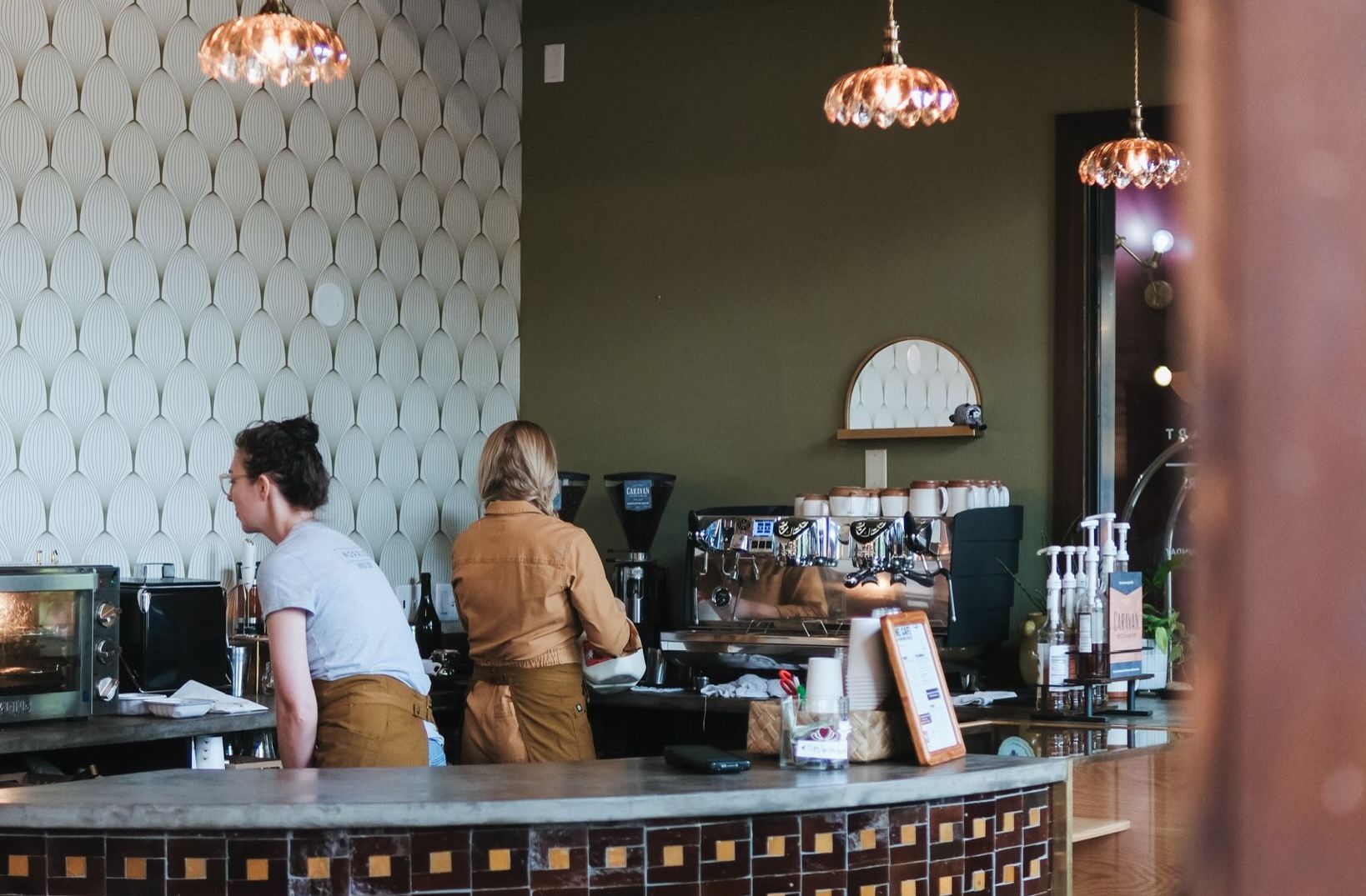
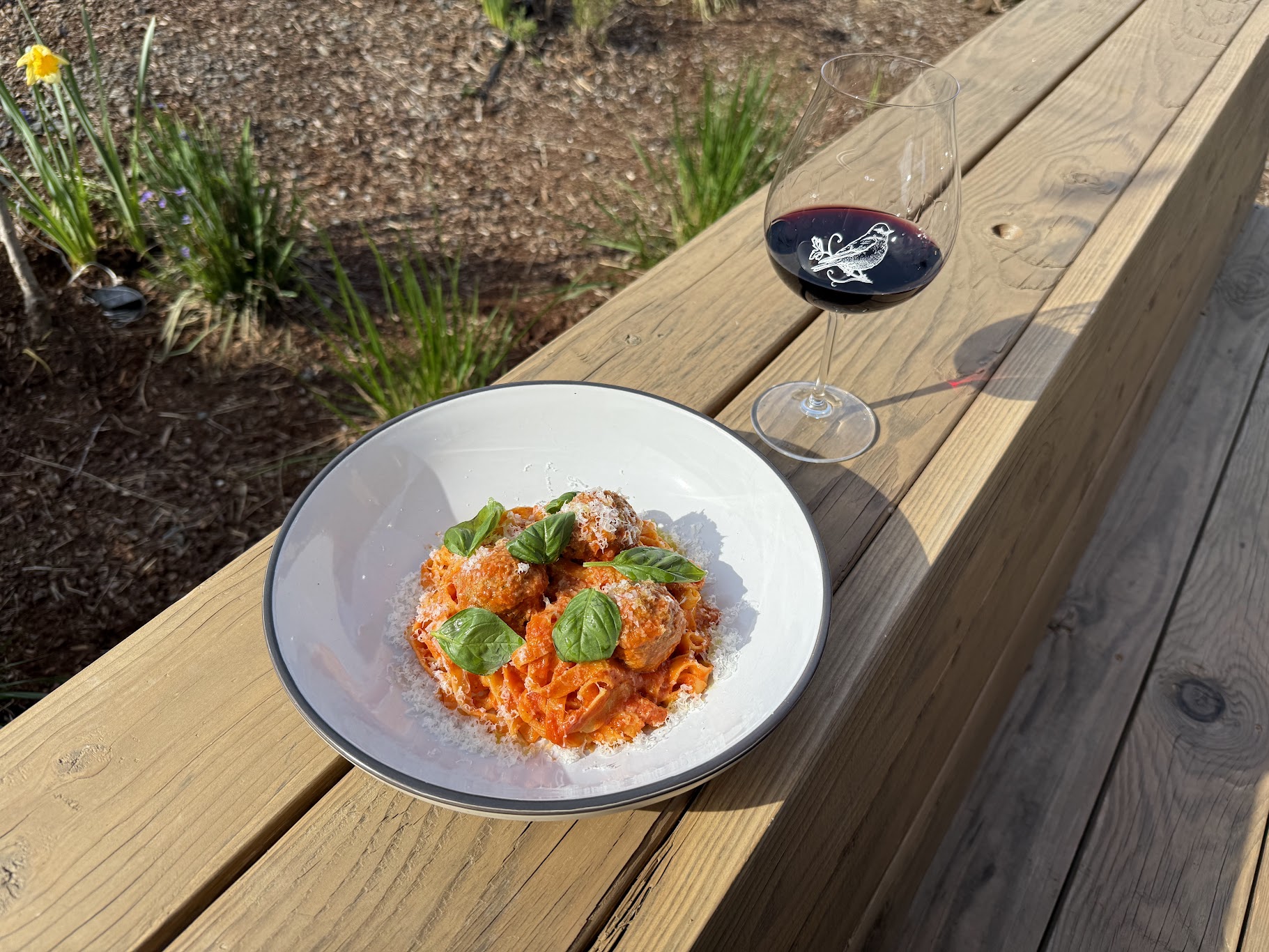
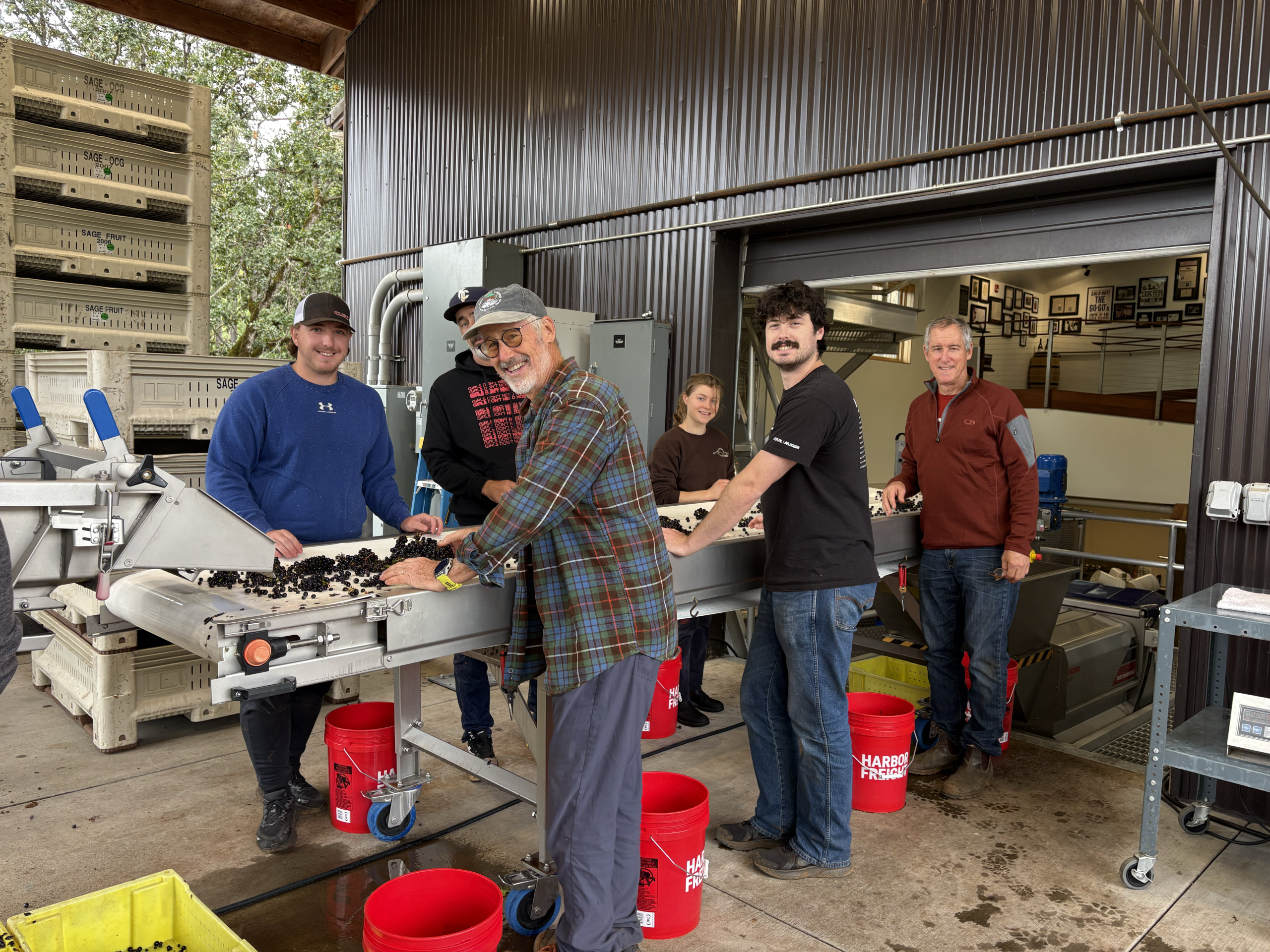
We’re in the thick of harvest in the Dundee Hills. Trucks loaded with fruit roll through the back roads, slowing traffic and filling the air with anticipation. Winemakers and vineyard crews cross paths at Red Hills Market over early-morning coffee. After the morning harvests, they gather around long tables for family-style lunches catered by Trellis, Wooden Heart, and other local hotspots. The energy is palpable with the heartbeat of Oregon wine country in motion.
“Every harvest is a new opportunity. It’s a new year for us to explore our abilities and understand our vineyards better,” says Tres Burns, winemaker for Alexana Estate. “This year we’re seeing some interesting chemistries. The acids are maturing faster than the sugars, and that gives us some new challenges from a winemaking perspective. It keeps us on our toes, right? Every year we learn something different.”

Why Cool Grapes Matter
One constant, however, is the importance of keeping grapes cool. “When we start out with just raw grapes, there’s an even playing field for all the organisms. So the good and the bad have an equal shot,” explains Burns. Warm fruit can give spoilage organisms a head start, which is why picking grapes in the morning or chilling them overnight is essential. Cooler grapes are easier to process and create a cleaner foundation for fermentation.
Keeping Oxygen in Check
Oxygen is the other piece of the puzzle. “The bad actors, the bad organisms, will take oxygen and turn that into compounds we don’t want to see,” Burns says. To help protect the ferment, his team gently covers the must (the freshly pressed grapes) with dry ice, creating a covering of carbon dioxide that pushes away excess oxygen. Together, temperature control and oxygen management give yeast the best chance to thrive, keeping ferments precise and balanced.
Varied Approaches Yield Excellent Vintages
At this point in the harvest, most of the grapes for sparkling wines and many of the whites have already been harvested, processed, and are undergoing fermentation. Now, Pinot Noir takes the spotlight, and every winemaker has a distinct style. At Winderlea, they opt for the complexity of whole-cluster fermentation for their Imprint Pinot Noir, while at Holloran, destemming brings out focused fruit character. White Rose favors gentle “pump overs” for their whole cluster Pinot Noirs, circulating juice from the bottom of the tank to the top for added skin contact, while others lean into more vigorous “punch downs” to build structure and depth. Each choice reflects the personality of the winery and the vision of the winemaker; there is no right or wrong way.
These teams are weaving together the story of Oregon’s wine legacy through terroir, winemaker intuition, and always with the influence and imprint of Mother Nature. For visitors catching a glimpse of the harvest, it serves as a reminder of the science, art, and tradition that go into every bottle of Dundee Hills wine.