Sparkling Wines That Are Worth the Wait
In recent years, the Dundee Hills has become one of the most compelling New World regions for sparkling wine, though the legacy of sparkling wine in this AVA dates back nearly four decades. The cool nights and volcanic soil that make these hills known for stunning Pinot Noirs and Chardonnays also create the ideal conditions for sparkling wines because of one simple factor: They are made from the same grapes. This AVA’s winemakers are increasingly producing traditional-method sparkling wines that rival some of the world’s most respected bottles.
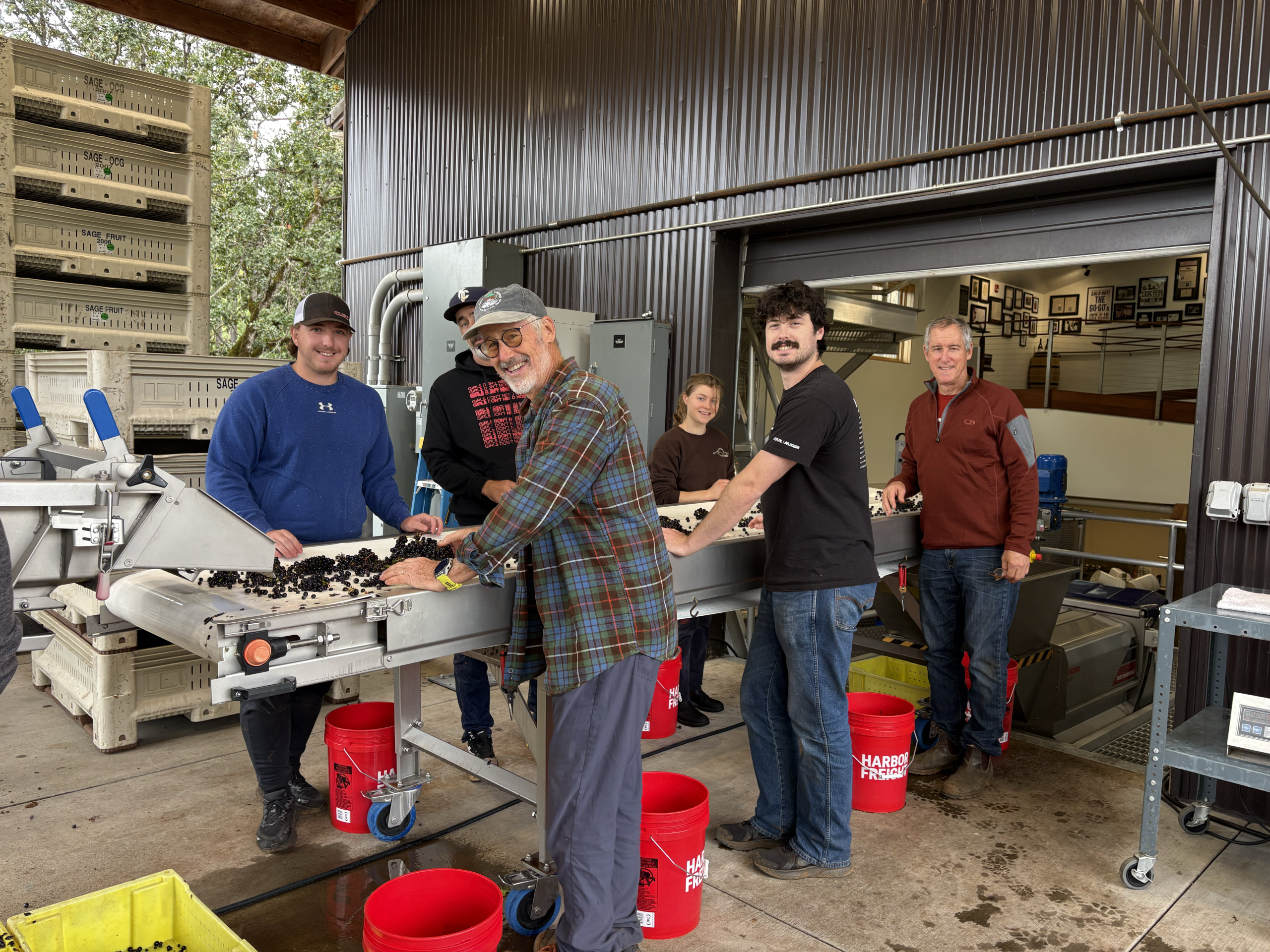
The process of crafting sparkling wine starts early in the vineyard, with harvest typically beginning in late August to preserve crisp acidity rather than to maximize sugar, which is critical for still wines. Gentle handling is essential; fruit is carefully pressed to minimize skin contact, ensuring the color doesn’t bleed into the juice.
From there, the wines take a familiar first step: fermentation in a vessel that allows carbon dioxide to escape. The real transformation happens later, when the base wine is bottled with yeast and sugar to trigger a second fermentation inside the bottle, where the yeast will consume the sugar and become lees (dead yeast). This stage is known as tirage, and it traps carbon dioxide inside the bottle, creating the fine and tiny bubbles that define sparkling wine. The internal pressure of a sparkling wine bottle is more than that of a car tire, so bottles must be made from significantly thicker glass.
 Many producers release their Brut sparkling wines after aging about three years on the lees, while setting aside a portion of the bottles for extended tirage or late disgorged. These are both terms for the process of aging sparkling wines for a minimum of five years, commonly up to ten years, and sometimes even longer. During this time, yeast cells continue to break down, a process called autolysis, releasing Mannoproteins and Polysaccharides into the wine, which deepen the complexity, enhance the creamy mouthfeel, and increase the bready, brioche notes for which extended tirage wines are known. Autolysis also helps stabilize the foam and extend the wine’s longevity.
Domaine Willamette is part of Willamette Valley Vineyards and exclusively produces world-class méthode traditionnelle sparkling wines at their stunning facility, which includes an underground aging cellar. This 20-acre estate is farmed biodynamically with Demeter® certification, offers a robust pairings menu, and stunning views of the mountains and vineyard grounds, not to mention the opportunity to saber a bottle of wine with a sword!
Mark Rutherford, associate winemaker at Willamette Valley Vineyards, has been making wine in the valley for 16 years and loves the interplay of art and science when crafting their multiple sparkling wines. For example, fermentation is a scientific process, but whether it’s done in a tank or a barrel is up to the winemaker.
 “Every winemaker has their favorite techniques,” says Mark Rutherford, associate winemaker at Willamette Valley Vineyards and Domaine Willamette. “It’s like a spice cabinet. Every chef throws in different spices to achieve a different goal, and winemakers are the same.”
The results can be striking. Extended tirage wines retain the vibrant acidity of youth while developing layered notes of brioche, toasted nuts, and honeyed richness. According to Rutherford, the region’s diversity of soils and microclimates also plays a defining role.
“There’s a reason Champagne is famous for sparkling wine,” he says. “But the Willamette Valley has an incredible range of terroirs, too. Move from one site to another and the sparkling wines can show completely different personalities.”
In the Dundee Hills, that combination of terroir, science, and craftsmanship is building a strong reputation for sparkling wines that are worth the wait.