Fall in the Dundee Hills
Seasonal Visitor’s Guide
Fall the Dundee Hills
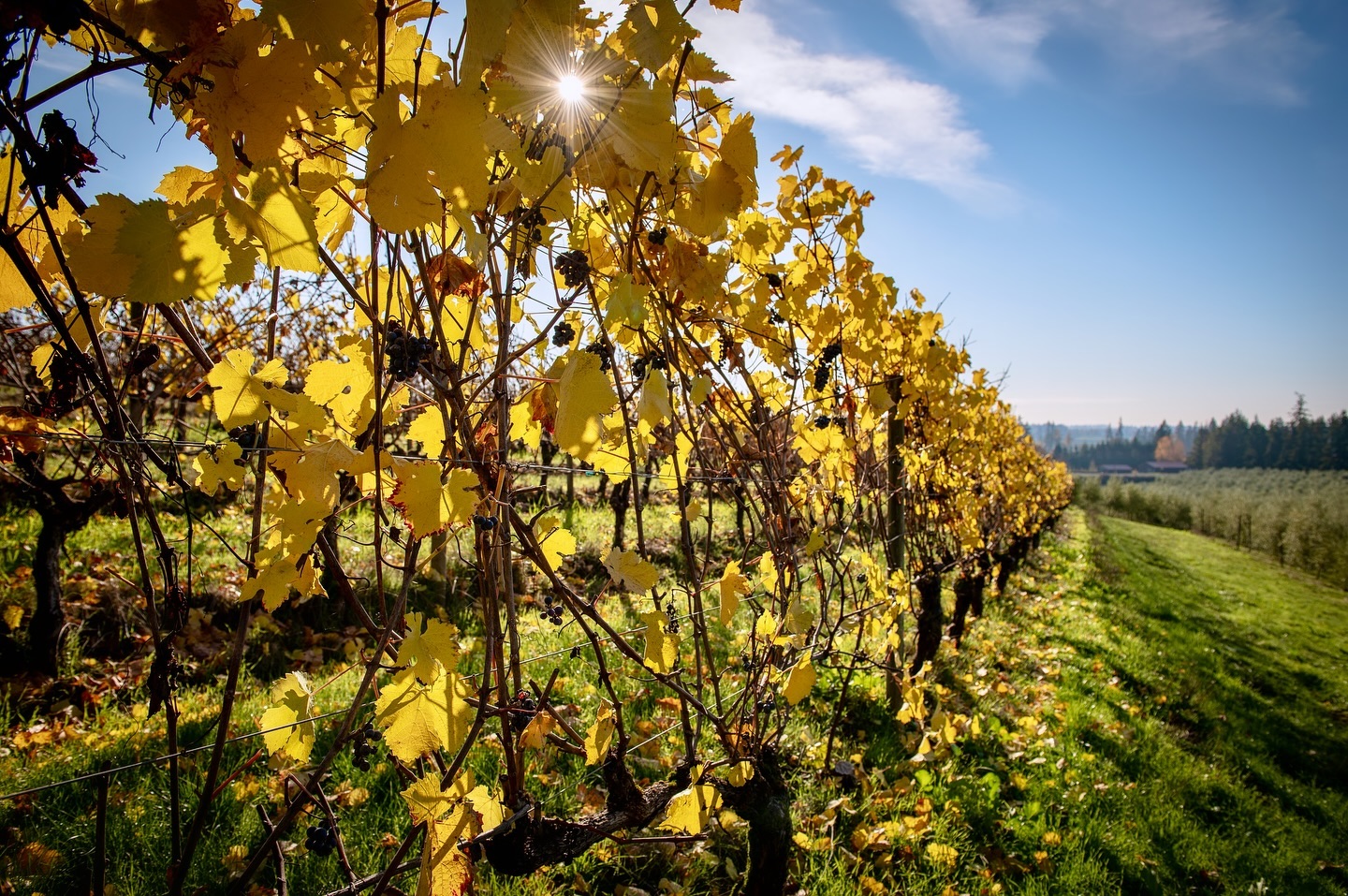
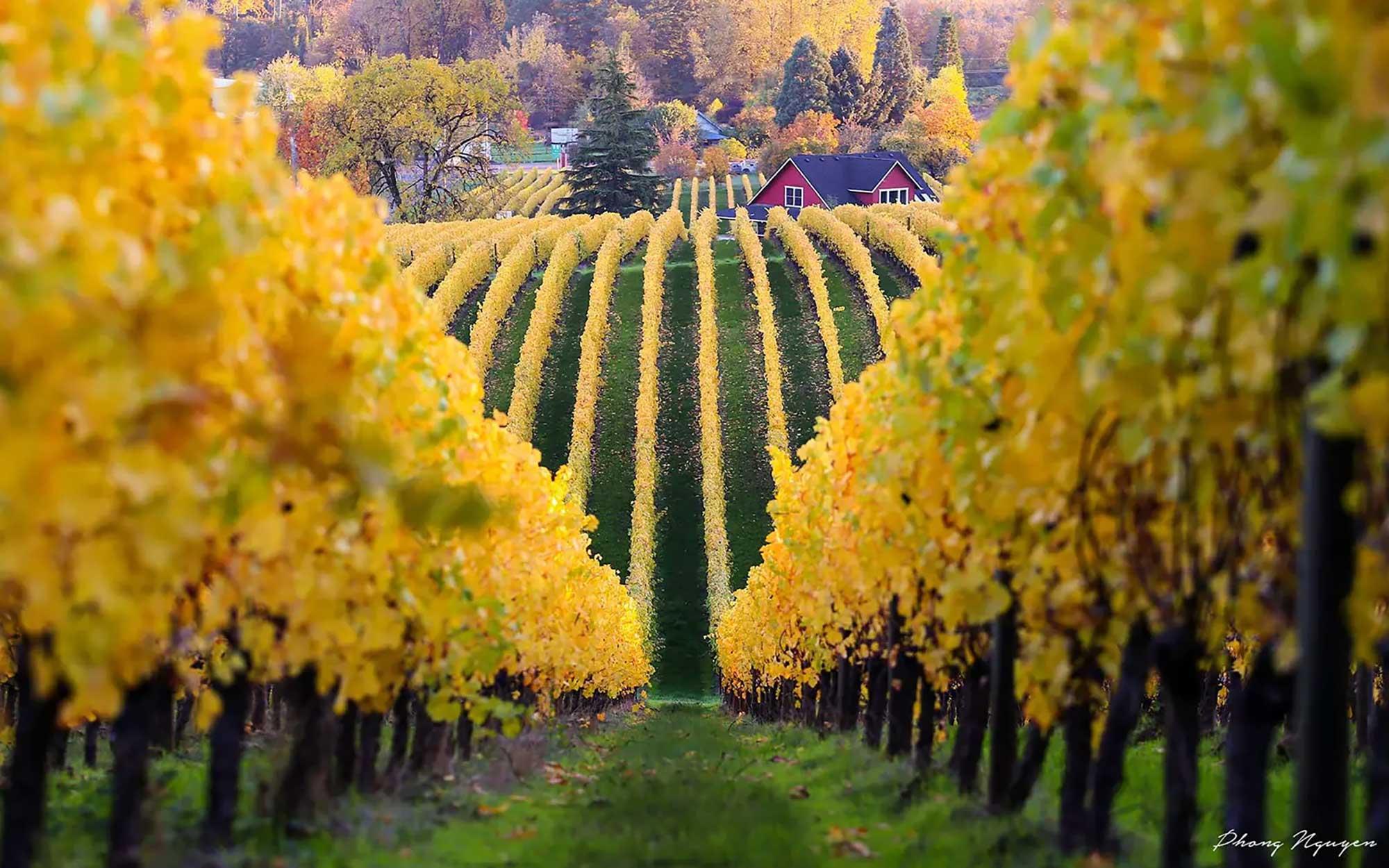
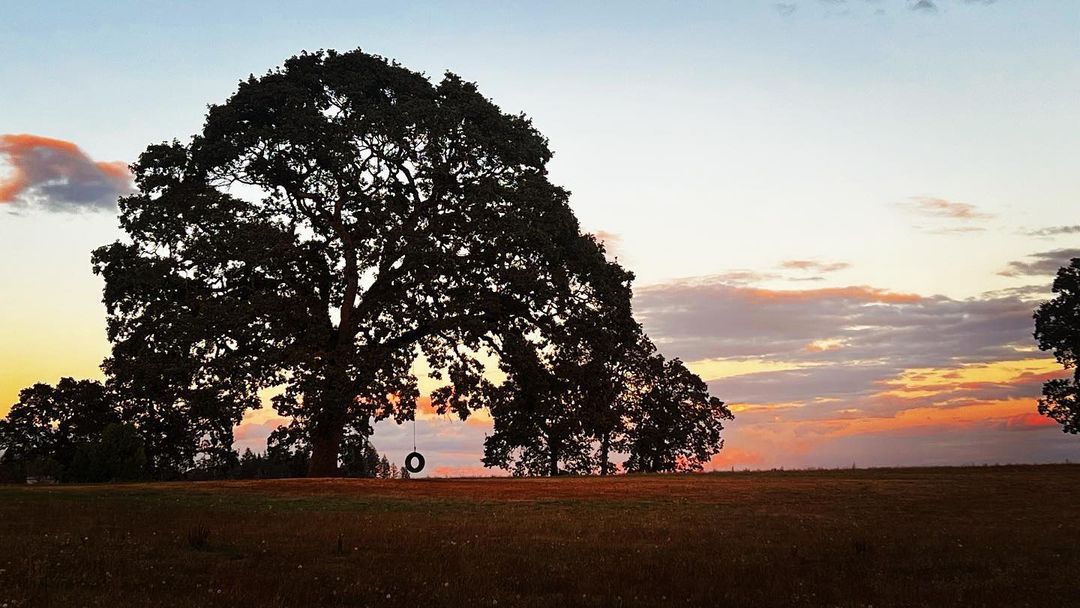
The Dundee Hills is a must-visit destination year-round, but fall offers something special. It’s harvest season—the busy conclusion of the growing season when a new vintage begins to take shape. Picture ripe grapes hanging on the vines, electric-yellow vineyards, a sweet and musty aroma in the air, and misty views stretching for miles. It’s an experience you won’t forget.

Plan Your Visit
Weather
Picture-perfect weather doesn’t get better than the fall season in the Dundee Hills. Our consistently temperate climate is met by mostly clear skies, especially in September and October. Cooler mornings and evenings are met by average temperatures of the mid-70s in September, low-60s in October, and low-50s in November.
What to Pack
Layered outfits are a staple in the fall. Sweaters or jackets over short sleeves are usually adequate for September, while something cozier is ideal if you travel in November. We recommend closed-toe shoes for vineyard hikes or early mornings while the ground is wet with dew. Don’t forget an umbrella or rain jacket for the fall rain showers.
Wine Tasting Attire
While some regions lean toward dressy attire for wine tasting, the Dundee Hills doesn’t have a dress code. You’ll fit in if you’re dressed to the nines and you’ll fit in with denim and boots. Oregon is a come-as-you-are state, and we hold that ethos dear in our tasting rooms.
Fall Events
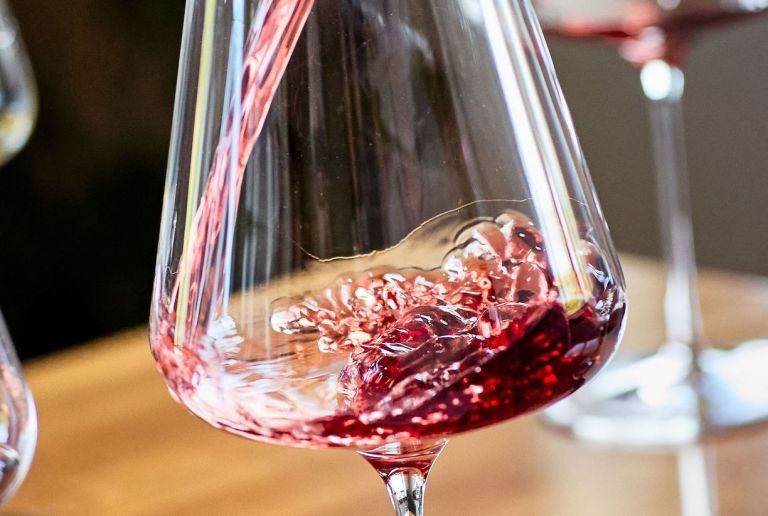
Vineyard activity is in full swing during the harvest season, and you can experience it for yourself with harvest parties, outdoor concerts, farm-to-table dinners in the vineyards, hikes led by our knowledgeable staff or winemakers, and so much more. For a full list of upcoming activities, visit our events calendar.






What’s Happening in the Vineyards
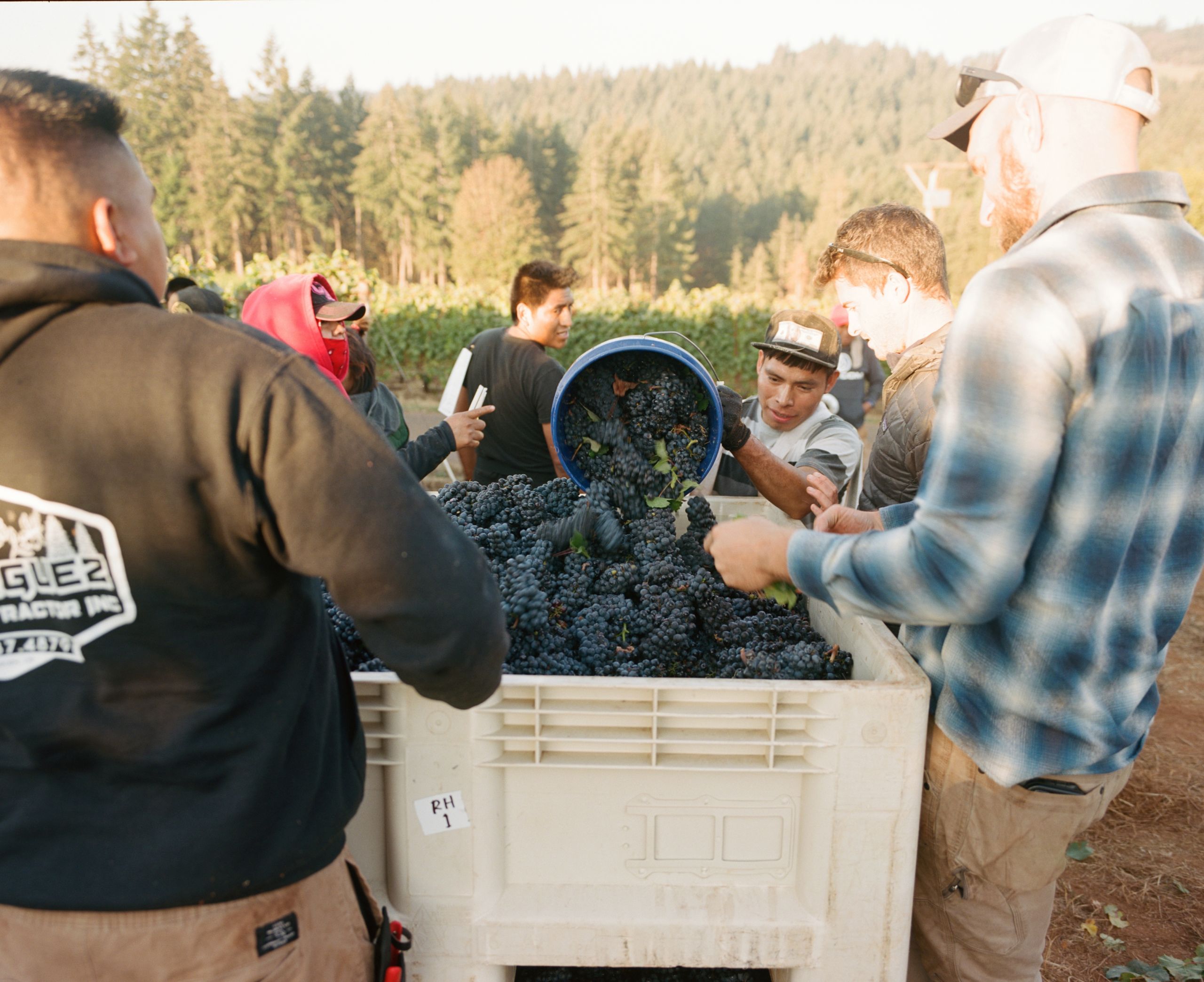
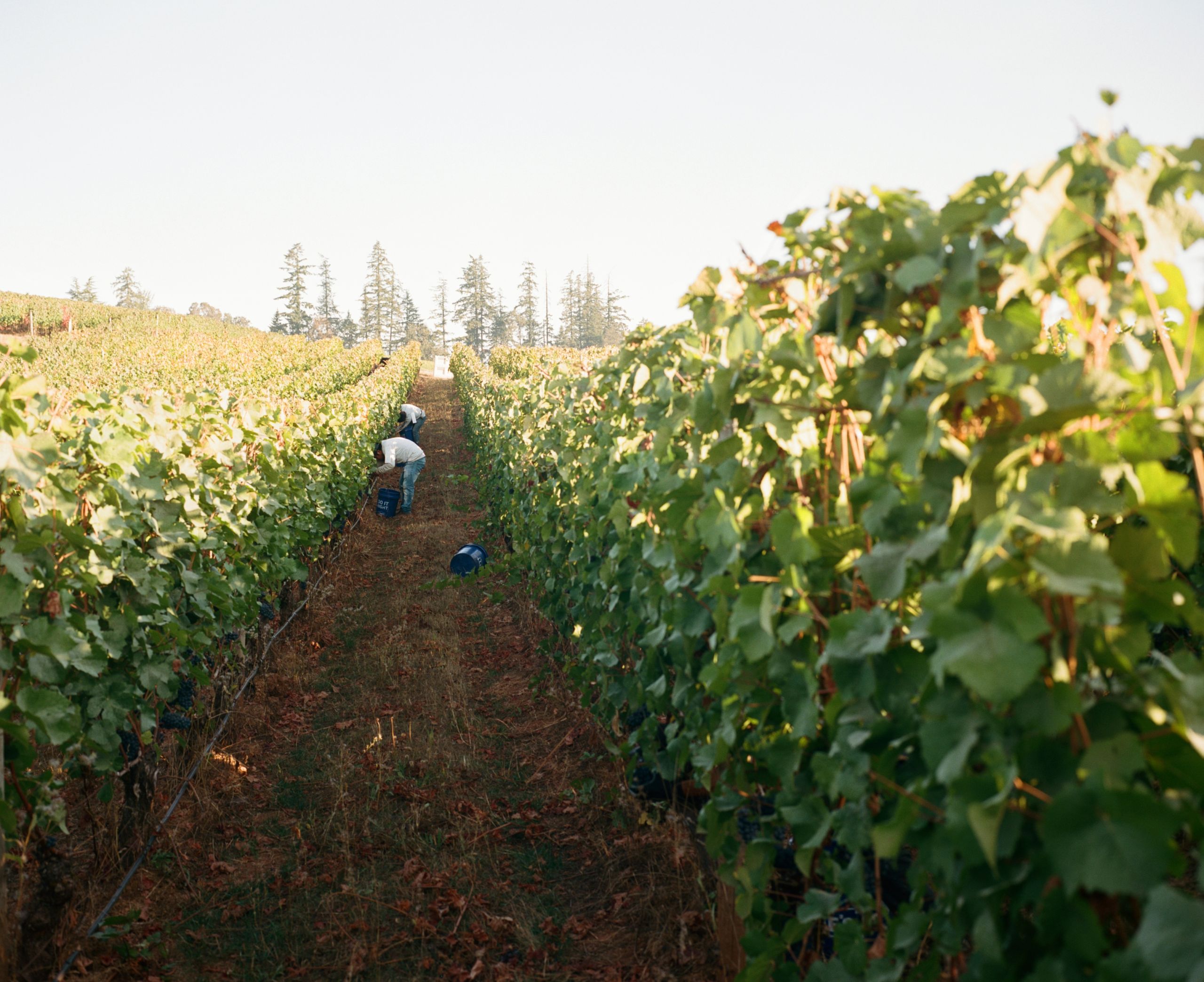
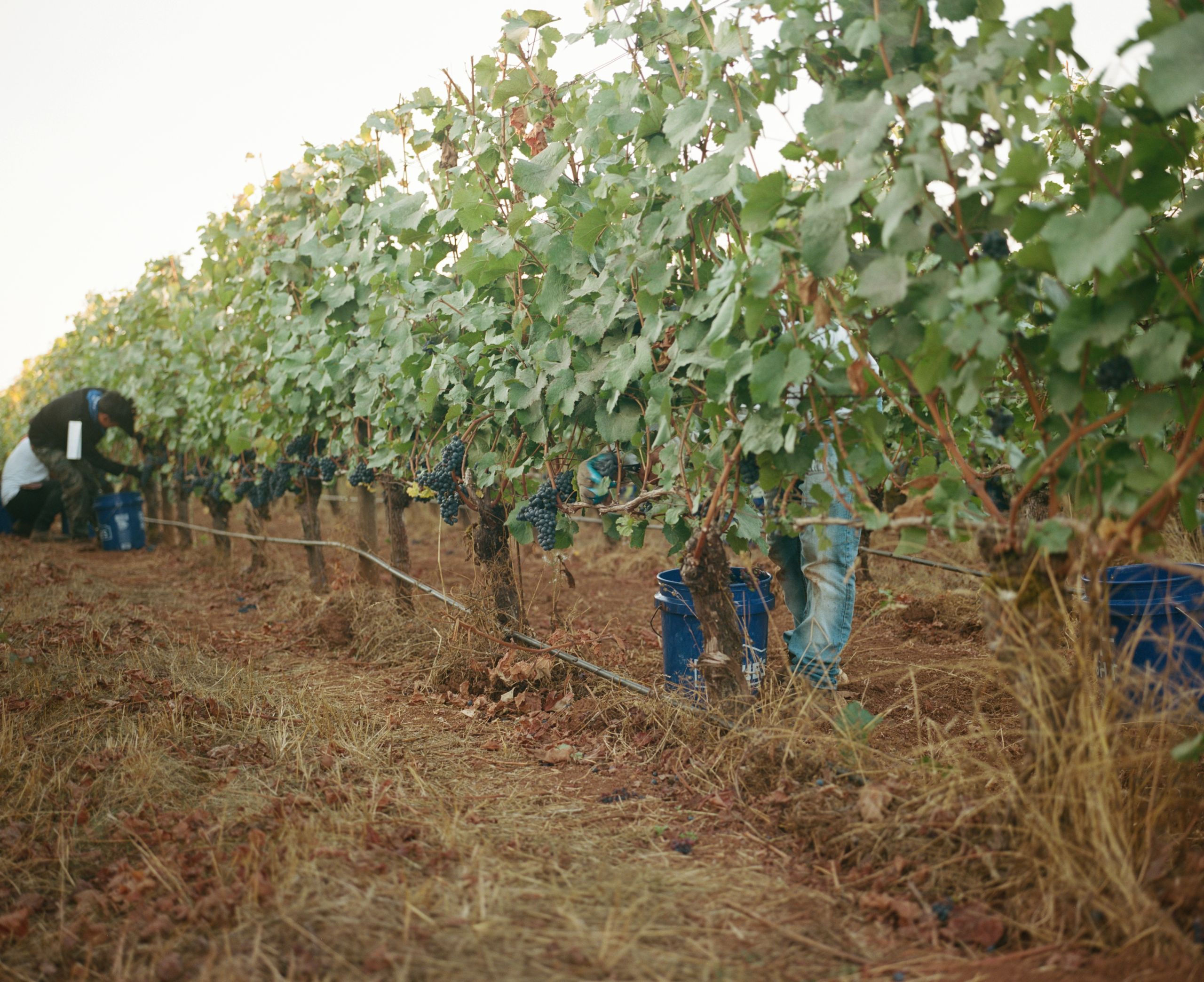
In September, vineyards in the Dundee Hills are bustling with activity as grape harvest begins, with workers carefully picking ripe clusters at their peak of flavor.
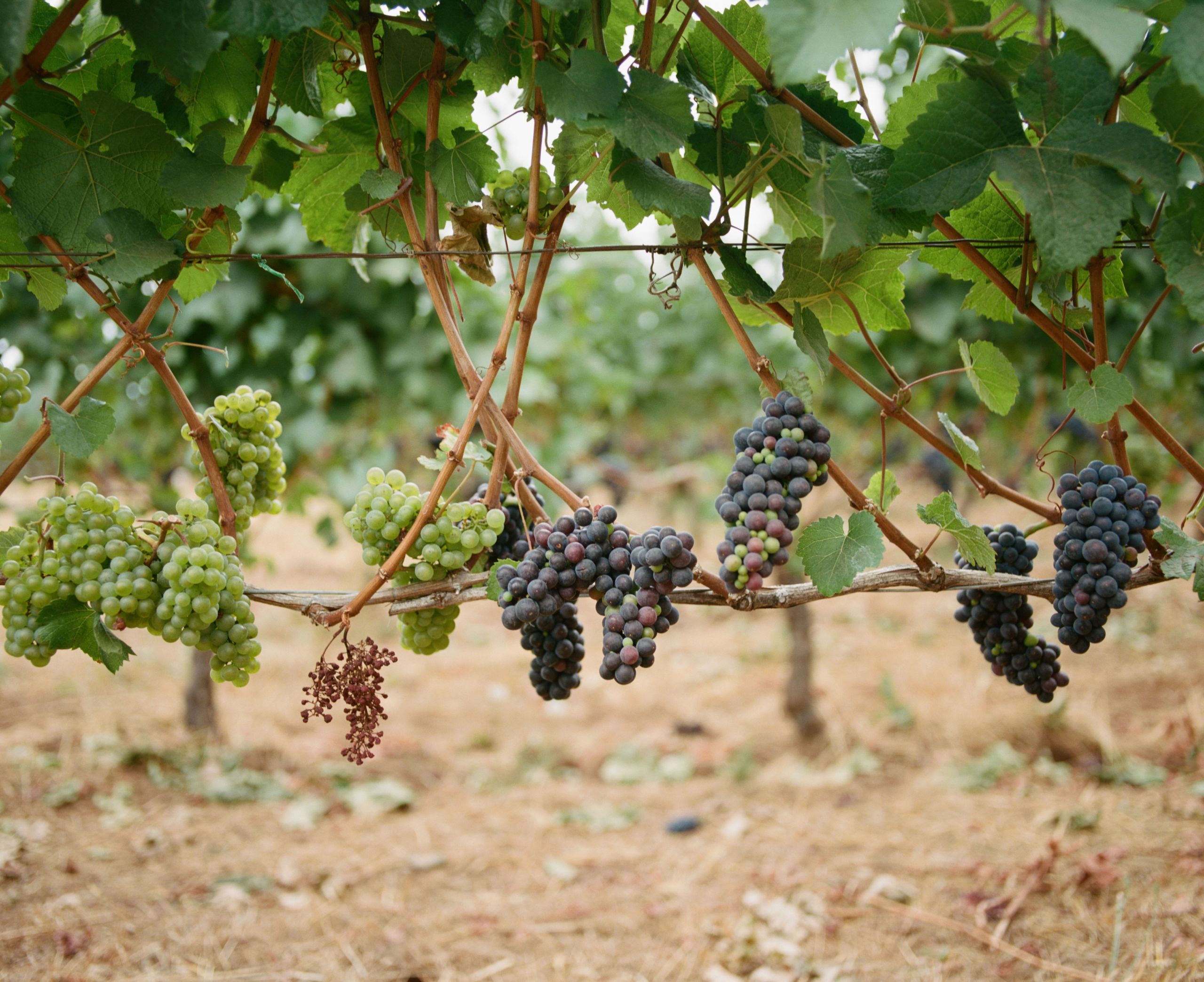
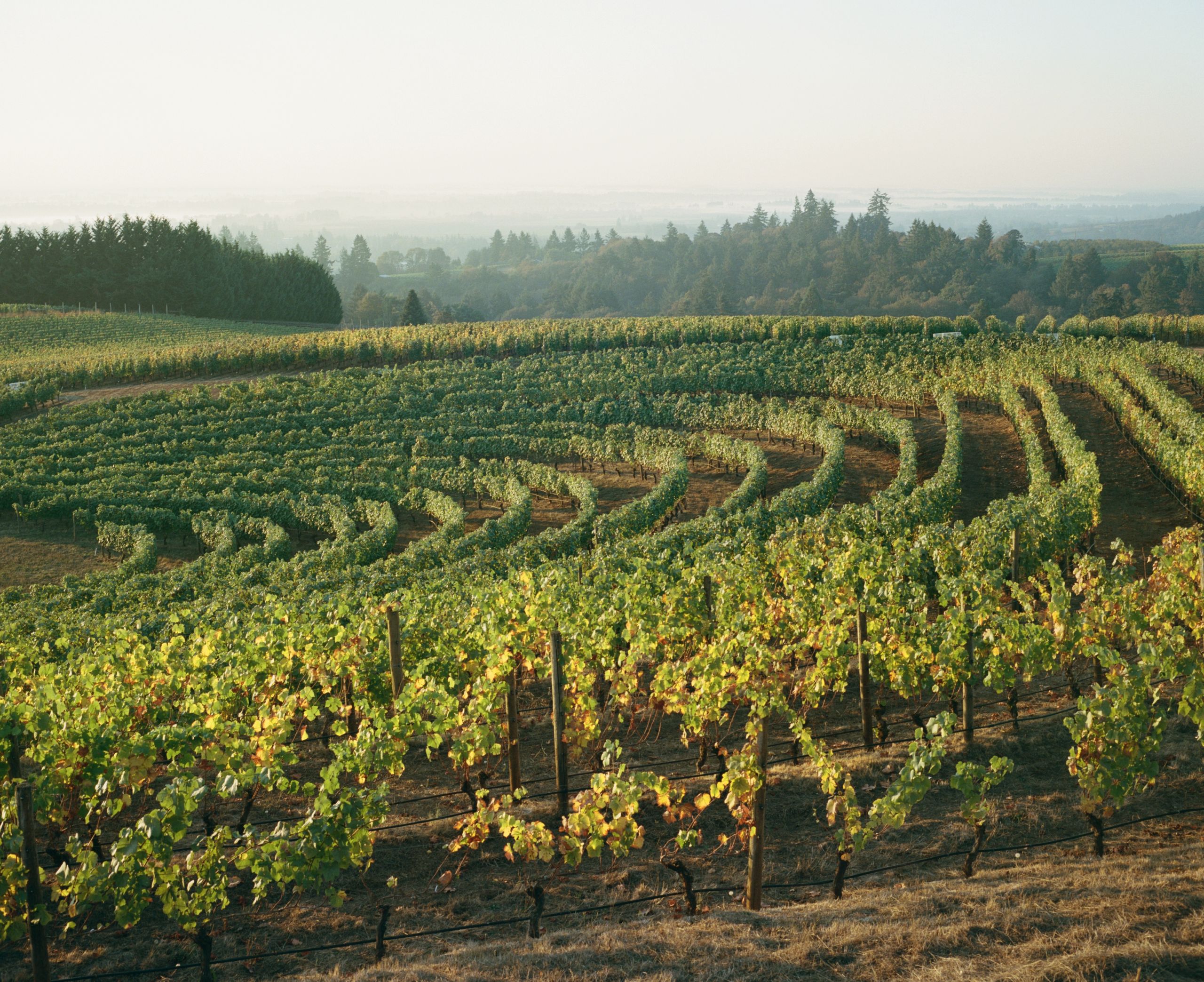
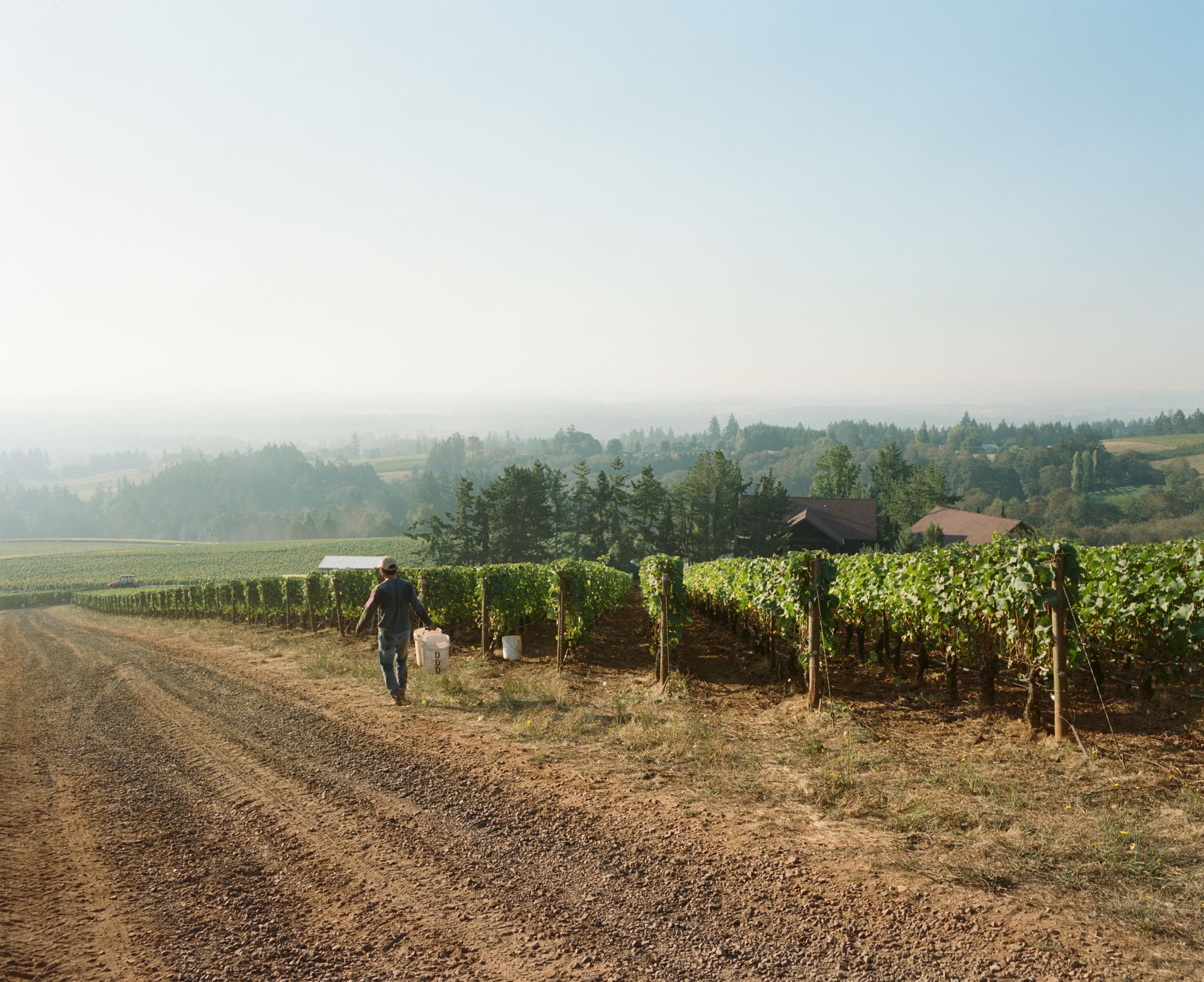
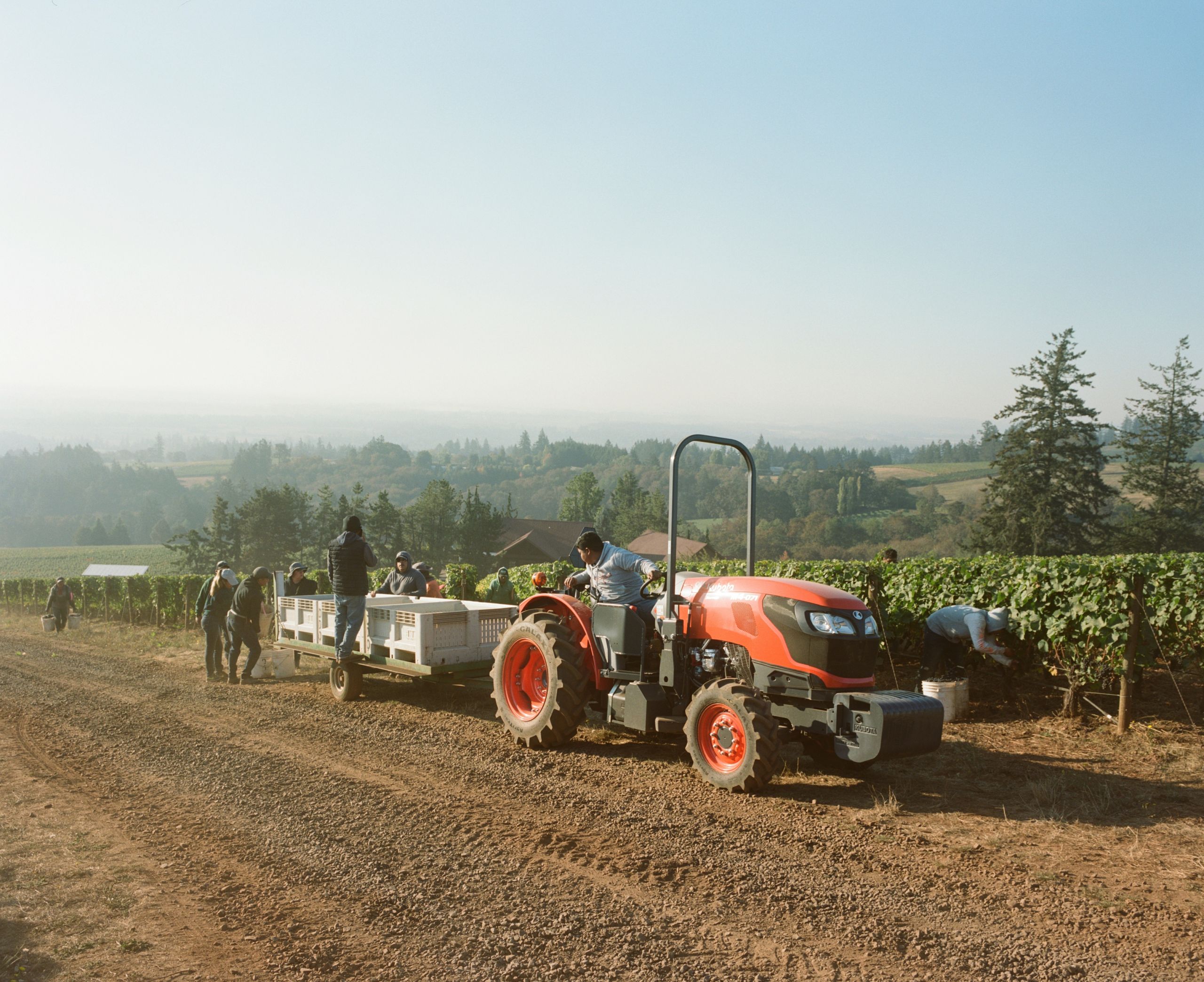
Throughout October, harvest is concluding and winemakers turn their attention to processing the freshly harvested grapes, initiating the fermentation, and monitoring the developing wines closely. As fermentation concludes, the new wines are transferred to barrels or tanks for aging. The vineyards transition into dormancy, with leaves changing color and finally dropping from the vines.